More Than 1.5 Million Eggs Recalled in U.S. Over Potential Salmonella Contamination
 By: Albert Michael - Friday, 24 July 2026 12:01:49 • 4 min read
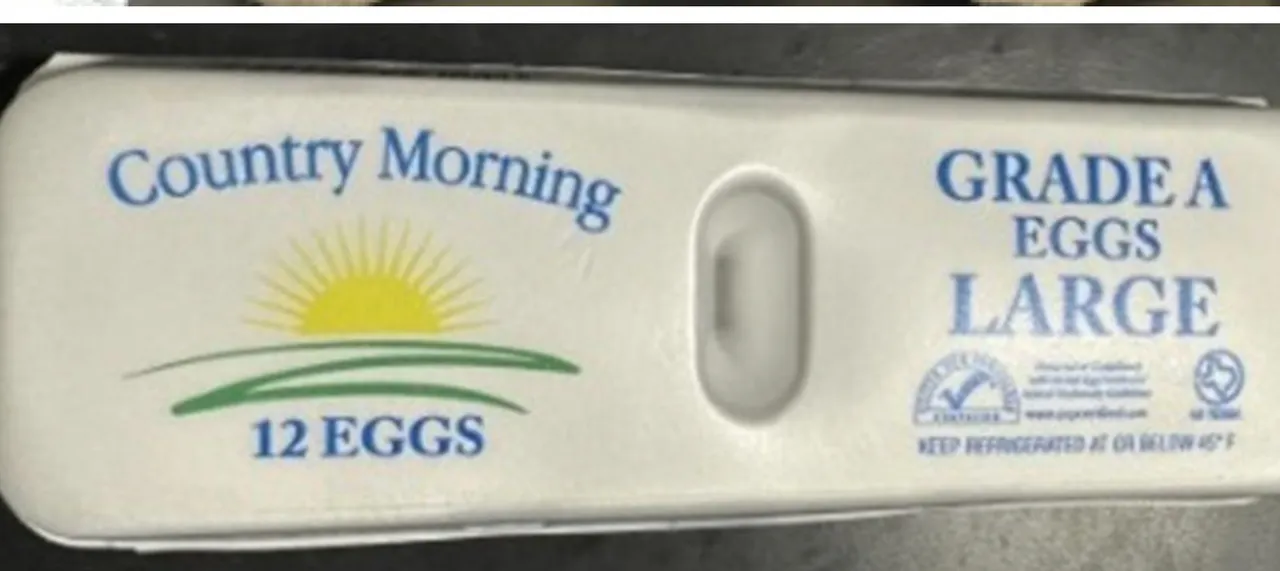
WASHINGTON, July 24, 2026 — More than 1.5 million dozen eggs have been voluntarily recalled in the United States after routine environmental testing identified the potential presence of Salmonella Enteritidis, prompting health officials to warn consumers not to eat the affected products.
The recall was announced by Midwest Poultry Services L.P., covering 1,589,577 dozen white shell eggs and brown cage-free shell eggs produced at two company farms in Texas between June 6 and July 3.
The company said the eggs were distributed to retailers and foodservice customers across several southern U.S. states before the contamination risk was discovered through proactive environmental monitoring.
Eggs Sold Across Multiple States
The recalled eggs were shipped to customers in Texas, Oklahoma, and Louisiana, while retail sales also extended to Arkansas, Mississippi, and New Mexico.
Major grocery chains receiving the affected products include:
- Kroger stores in Texas and Louisiana.
- Brookshire Grocery stores in Texas, Oklahoma, Arkansas, Louisiana, New Mexico, and Mississippi.
- Several independent and regional grocery retailers.
The company emphasized that no other Midwest Poultry Services products are included in the recall.
How to Identify the Recalled Eggs
Consumers should inspect the side of the egg carton for the identifying plant code and Julian date.
The recall applies only to cartons displaying:
- Plant Code: P-1950 or 0840962
- Julian Date: 157 through 184
- Sell By / Best By Dates: July 20 through August 17
The identifying information is printed directly on the side of the carton using date-coding ink.
No Confirmed Illnesses Reported
Midwest Poultry Services said it has not received reports of illnesses linked to the recalled eggs.
According to the company, the issue was discovered through routine environmental surveillance and an internal root cause investigation rather than consumer complaints.
As a precaution, Midwest Poultry Services has temporarily halted distribution of fresh eggs produced at its Texas facilities while corrective actions are implemented.
Consumers Urged Not to Eat Recalled Eggs
Health officials recommend that anyone who purchased eggs included in the recall should avoid consuming them, even if they appear normal.
Consumers may dispose of the eggs safely or return them to the retailer where they were purchased, depending on store policies.
Food contaminated with Salmonella often shows no visible signs of spoilage, making laboratory testing the only reliable way to detect contamination.
What Is Salmonella?
Salmonella is one of the most common causes of foodborne illness worldwide.
Symptoms generally develop between 12 and 72 hours after consuming contaminated food and commonly include:
- Diarrhea
- Fever
- Stomach cramps
- Nausea
- Vomiting
Most healthy adults recover within four to seven days without medical treatment. However, severe dehydration or bloodstream infections may require hospitalization.
Who Is Most at Risk?
While anyone can develop salmonellosis, certain groups face a significantly higher risk of severe complications.
- Infants and young children
- Older adults
- Pregnant women
- People with weakened immune systems
- Cancer patients undergoing treatment
- Individuals with chronic illnesses
Medical experts advise anyone experiencing symptoms after eating recalled eggs to seek medical attention promptly and inform healthcare providers about the possible Salmonella exposure.
How the Contamination Was Detected
Unlike many food recalls that begin after reports of illness, this recall originated from the company's routine environmental monitoring program.
Midwest Poultry Services said testing at two Texas production farms identified conditions that indicated a potential risk of Salmonella Enteritidis, leading the company to initiate a voluntary recall before confirmed consumer illnesses were reported.
Food safety specialists generally consider proactive environmental monitoring an important preventive measure because it helps identify contamination risks before products cause widespread outbreaks.
Editor's Analysis
Editor's Opinion: Although no illnesses have been linked to the recalled eggs so far, the scale of the recall—covering more than 1.5 million dozen eggs—highlights how seriously food producers and regulators treat potential Salmonella contamination.
The company's decision to launch the recall following internal environmental testing rather than waiting for confirmed illnesses reflects a preventive approach that has become increasingly important in modern food safety management.
Consumers should not assume recalled eggs are safe simply because they look, smell, or taste normal. Salmonella contamination is invisible, and many infected individuals may not develop symptoms immediately. Promptly checking product codes and following recall guidance remains the safest course of action.
What Consumers Should Do
- Check the plant code and Julian date printed on the egg carton.
- Do not consume recalled eggs.
- Return eligible products to the retailer or dispose of them safely.
- Wash any surfaces or containers that may have come into contact with raw eggs.
- Seek medical care if symptoms of Salmonella infection develop.
Recall Summary
| Category | Details |
| Company | Midwest Poultry Services L.P. |
| Product | White Shell Eggs and Brown Cage-Free Eggs |
| Quantity Recalled | 1,589,577 Dozen Eggs |
| Production Dates | June 6 – July 3 |
| Best By Dates | July 20 – August 17 |
| Plant Codes | P-1950 or 0840962 |
| Julian Dates | 157–184 |
| States Affected | Texas, Oklahoma, Louisiana, Arkansas, Mississippi, New Mexico |
| Confirmed Illnesses | None Reported |
| Health Risk | Potential Salmonella Enteritidis Contamination |