How to Reduce Anxiety Without Medication: Practical, Evidence-Based Strategies - BERITAJA
 By: Albert Michael - Sunday, 12 October 2025 11:43:13 • 5 min read
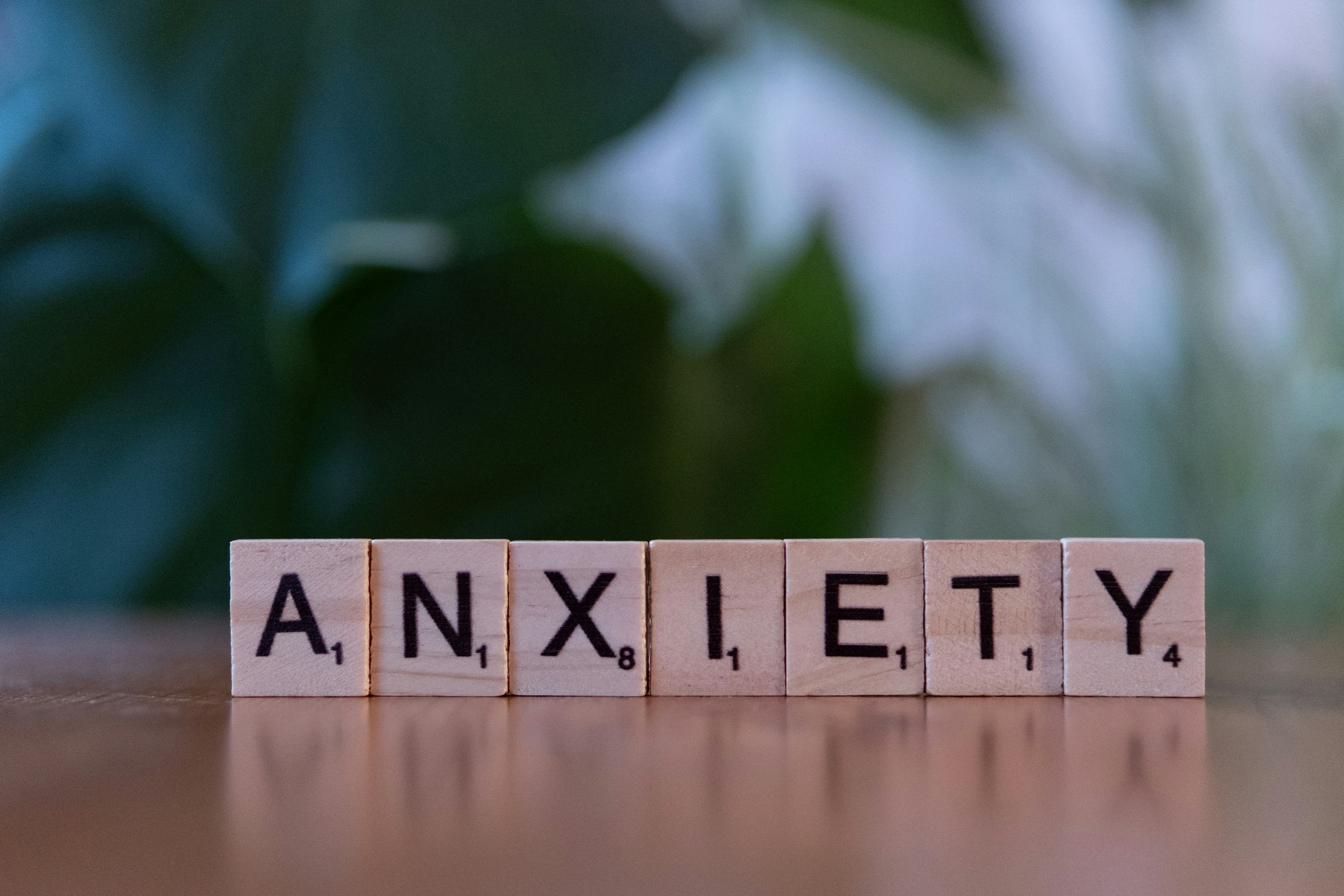
Photo by Markus Winkler on Unsplash
Learning how to reduce anxiety without medication starts with understanding that your body and mind can be trained to manage stress naturally. Through techniques like deep breathing, mindfulness, cognitive-behavioral strategies, exercise, and better sleep hygiene, it’s possible to calm the nervous system, regain focus, and improve daily functioning.
These evidence-based methods empower you to take control of anxiety safely, without relying on prescriptions—while still leaving room to work with healthcare professionals if needed.
Contents
- TL;DR
- What is anxiety?
- Evidence snapshot
- Immediate techniques
- Daily habits
- Psychological approaches
- Complementary tools & technology
- Supplements & alternatives
- 6-week plan
- When to seek help
- Evidence & case studies
- FAQ
- References & further reading
TL;DR (Quick Action Steps)
- Use deep breathing or grounding at the first sign of anxiety.
- Move daily (20–30 min); prioritize sleep hygiene.
- Limit caffeine, nicotine, and alcohol.
- Practice mindfulness, journaling, or CBT techniques.
- Track progress with a simple journal or validated scales (e.g., GAD-7).
What Is Anxiety? When It Becomes a Concern
Anxiety is a normal alert response. It becomes a disorder when worry is persistent, disproportionate, or impairs daily functioning. Common forms include Generalized Anxiety Disorder (GAD), panic disorder, social anxiety, and specific phobias. Seek help for severe symptoms, panic, or suicidal thoughts.
Evidence Snapshot: What Works
Meta-analyses and clinical reviews show CBT, mindfulness-based interventions, and regular physical activity as the most consistently effective non-pharmacological strategies. Emerging options—HRV biofeedback, digital CBT, nature prescriptions—are promising but need further long-term study.
Immediate, In-the-Moment Techniques
Use these when anxiety spikes — practice them a few times to build familiarity.
Breathing Exercises
- 4-7-8 breathing: inhale 4s, hold 7s, exhale 8s — repeat 4 cycles.
- Box breathing: 4 in • 4 hold • 4 out • 4 hold.
- Diaphragmatic breathing: breathe into the belly, not the chest.
Grounding (5-4-3-2-1)
Name 5 things you see, 4 you can touch, 3 you hear, 2 you smell, 1 you taste — brings attention to the present moment.
Progressive Muscle Relaxation
Tense each muscle group for 5–10 seconds then release, working feet → legs → torso → arms → face.
Quick tip: Practice these techniques when calm so they work better during spikes.
Daily Habits That Lower Baseline Anxiety
Movement & Exercise
Aerobic activity (walking, jogging, cycling) 20–30 minutes most days lowers anxiety and improves mood regulation.
Sleep Hygiene
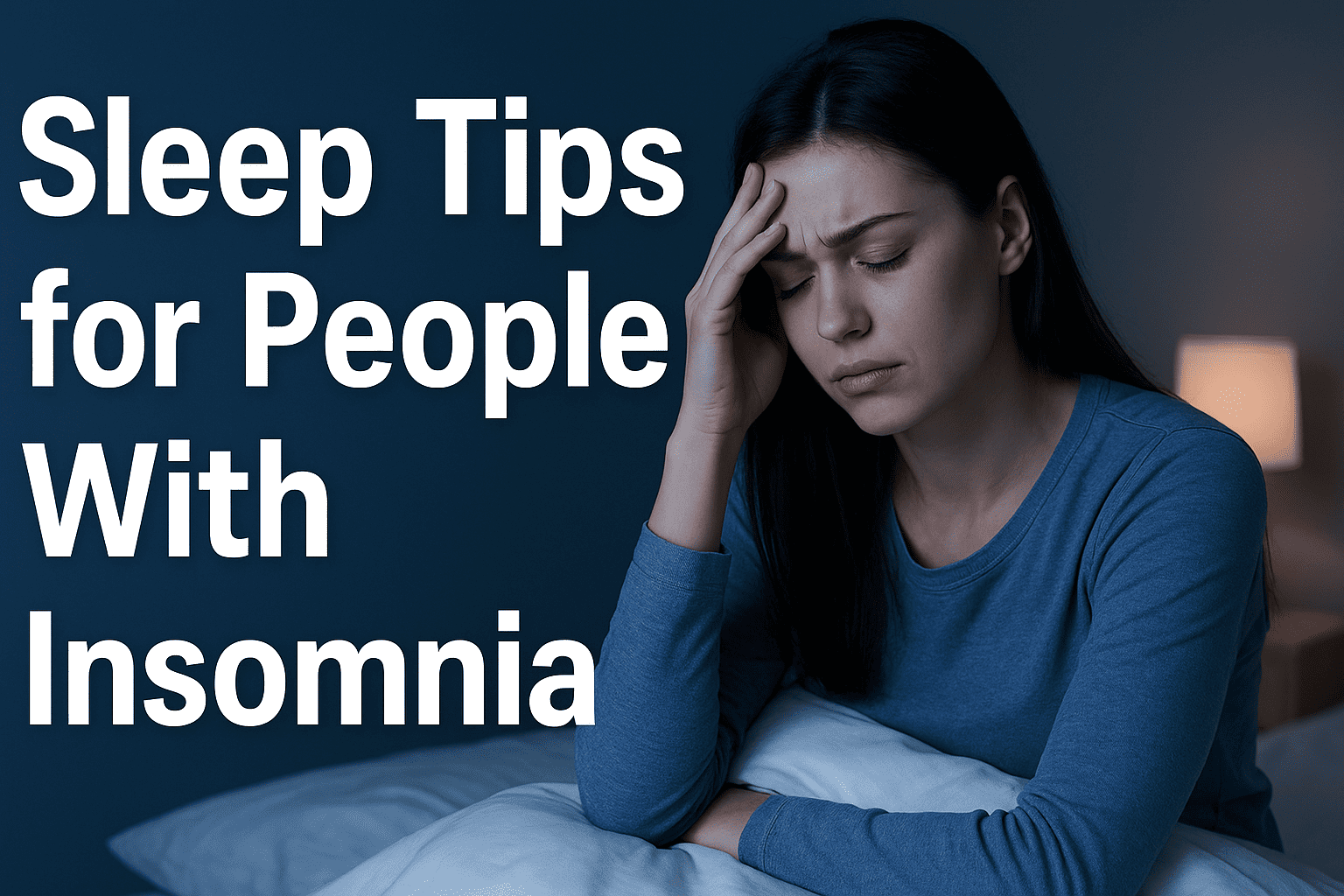
- Keep consistent sleep/wake times.
- Reduce screen exposure 60 minutes before bed.
- Keep bedroom dark, cool, and quiet.
Nutrition & Gut–Brain Health
Stable blood sugar, whole foods, adequate protein, and nutrients (omega-3, magnesium) support brain health; discuss supplements with a clinician before starting.
Avoid Stimulants & Alcohol
Caffeine, nicotine, and alcohol can worsen anxiety and disrupt sleep—limit or time intake earlier in the day.
Psychological & Skill-Based Approaches
Cognitive Behavioral Therapy (CBT)
CBT teaches you to identify and reframe unhelpful thoughts, practice exposures, and change behaviors. It has robust evidence for most anxiety disorders.
Mindfulness & MBSR
Mindfulness-based programs train nonjudgmental awareness of thoughts and feelings and reduce rumination.
ACT & Acceptance Strategies
Acceptance and Commitment Therapy emphasizes accepting internal experiences and committing to valued actions despite anxiety.
Complementary Tools & Technology
HRV Biofeedback & Wearables
Heart rate variability training helps regulate the autonomic nervous system; many wearables and apps now offer guided HRV sessions.
Apps & Digital CBT
Guided apps (CBT-based, meditation, breathing) can reinforce practice and provide structure between therapy sessions.
Relaxation Modalities
Yoga, tai chi, guided imagery, and music therapy can be useful adjuncts to core strategies.
Supplements & Alternative Treatments (Use Cautiously)
Some supplements have modest evidence (omega-3, magnesium, chamomile). Kava can cause liver damage—always consult a clinician before starting any supplement or herbal therapy.
6-Week Anxiety Reduction Plan (Sample)
| Week | Focus | Activities / Goals |
| Week 1 | Stabilize sleep & grounding | Set sleep schedule, daily breathing practice, cut late caffeine |
| Week 2 | Movement habit & journaling | 3–4 × 20–30 min walks, start thought journal |
| Week 3 | Introduce CBT skills | Thought records, small graded exposures |
| Week 4 | Deepen mindfulness & HRV | Daily 10 min mindfulness, HRV sessions 3×/week |
| Week 5 | Combine tools | Daily mix: movement + relaxation + exposure |
| Week 6 | Tracking & maintenance | Use GAD-7/PSS, set weekly practice plan |
When to Seek Professional Help
If anxiety causes severe impairment, panic attacks, suicidal thoughts, or persistent insomnia, seek urgent professional care. Work with clinicians to combine non-pharmacological strategies and medication when needed.
Evidence, Stats & Case Studies
Clinical reviews and meta-analyses support CBT, mindfulness, and exercise as effective non-drug treatments. Digital CBT and HRV biofeedback show promise in trials; more long-term studies are ongoing. Consider tracking with validated scales (GAD-7, PSS) to measure progress.
Frequently Asked Questions
How soon will I feel less anxious?
Breathing and grounding can help immediately; consistent practice typically yields noticeable improvement within 4–8 weeks.
Can exercise replace medication?
Exercise helps many people but is usually most effective alongside therapy; medication may still be needed for moderate-to-severe cases.
Are supplements effective?
Some show modest benefits, but evidence varies. Always check interactions with a healthcare provider.
References & Further Reading (Wikipedia)
- Wikipedia — Anxiety
- Wikipedia — Generalized anxiety disorder
- Wikipedia — Cognitive behavioral therapy
- Wikipedia — Mindfulness-based stress reduction
- Wikipedia — Exercise
- Wikipedia — Heart rate variability
- Wikipedia — GAD-7
- Wikipedia — Perceived Stress Scale
- Wikipedia — Exposure therapy
- Wikipedia — Sleep hygiene