How to Compare Cheap Car Insurance Quotes: What You Need, Costs, and Tips- BERITAJA
 By: Albert Michael - Thursday, 25 September 2025 21:13:41 • 4 min read
How to Compare Cheap Car Insurance Quotes: What You Need, Costs, and Tips- BERITAJA is one of the most discussed topics today. In this article, you will find a clear explanation, key facts, and the latest updates related to this topic, presented in a concise and easy-to-understand way. Read more news on Beritaja.
How to Compare Cheap Car Insurance Quotes: What You Need, Costs, and Tips- BERITAJA — Here is a quick overview: Photo by Vlad Deep on Unsplash In June 2025, independent research from Consumer Intelligence showed that 51% of customers saved money on car insurance when using comparison services like Compare th...
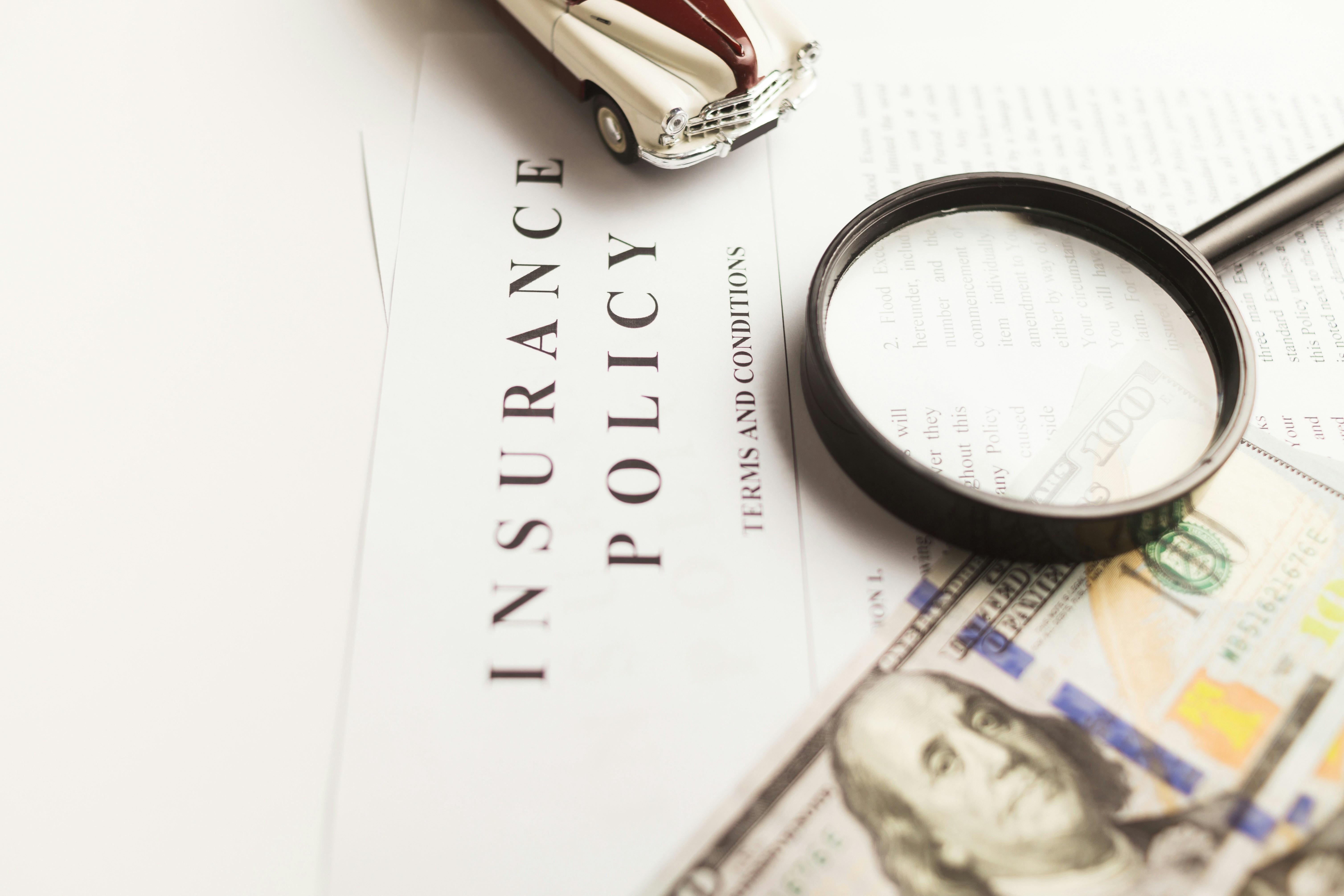
Photo by Vlad Deep on Unsplash
I
n June 2025, independent research from Consumer Intelligence showed that 51% of customers saved money on car insurance when using comparison services like Compare the Market.¹
If you're shopping around for car insurance, here’s everything you’ll want to know: what information you’ll need, why having insurance is essential, the different levels of cover, what typical costs are and what factors affect the price.
What Information You’ll Need for a Quote
To compare insurance quotes properly, most companies will ask you for:
-
Car details & usage
You’ll need either your registration number or the make, model, and year of the car. Insurers will also ask whether it’s used privately or for business, and roughly how many miles you drive per year. -
Your personal info
Expect to provide your name, age, address, your job and the type of industry. If you add additional drivers to the policy, similar information is required for each of them. -
Driving history & licence info
Your no‑claims discount (if you have one), past driving records, and your licence number—these can all lower your premium.
Why You NEED Car Insurance
If you drive in the UK, car insurance isn’t optional—it’s the law. Driving without insurance can lead to:
- A minimum £300 fine
- Six penalty points added to your licence
- Court appearance, with unlimited fines, and potential disqualification from driving
Insurance also offers financial protection if your car causes damage to another vehicle or property, or injures someone.
What Kind of Cover Do You Need?
There are three primary levels of car insurance cover in the UK, each offering different protection.
| Type of Cover | What It Covers | What It Doesn't / Important Notes |
| Comprehensive | Most extensive protection: damage to others, fire, theft, your own repair after accidents, payout if car is written off | Might not include using someone else’s car; theft from unlocked vehicle often excluded |
| Third‑Party, Fire & Theft | Damage to others, fire damage, theft of your car | Doesn’t cover repairs to your own car or medical costs if you’re at fault |
| Third‑Party Only | Minimum legal requirement: damage and injury to others | No cover for your own damages; often limited availability and higher premiums for risky drivers |
Typical Costs & Premium Averages
Here are the approximate annual costs you might see (based on June 2025 data) for different cover levels:
- Comprehensive: ~ £636
- Third‑Party, Fire & Theft: ~ £1,104
- Third‑Party Only: ~ £1,497
Prices vary widely depending on age, experience, car type, claims history, and other risk factors.
What Impacts the Price of Car Insurance?
Several things influence how much you’ll pay:
- Your age and driving experience: Younger and less experienced drivers generally pay more.
- Value of your car, including its insurance group: The more expensive or powerful the car, the higher the premium.
- Usage: Annual mileage, business vs private use, distance driven—it all matters.
- No-claims history and licence details: A clean record lowers costs; mistakes or past claims can increase them.
- Type of cover: More protection = higher price.
- Extra add‑ons: Theft protection, breakdown cover, windscreen repair, legal assistance, etc.
Why Compare Quotes?
Using comparison tools can save you money. Based on the same June 2025 study, about half of customers found cheaper insurance via comparison services—and some saved hundreds of pounds.
FAQ
Q: Can I legally drive without insurance if I only use my car occasionally?
A: No. UK law requires you to have at least “third‑party only” insurance whenever your car is on the road. Occasional use doesn’t remove that obligation. Penalties for driving without insurance are serious.
Q: Is comprehensive the most expensive option?
A: Not always. While it offers the most protection, in many cases it can be cheaper than lower‑level covers—if you are a cautious driver, have a clean no‑claims history, and drive a car in a lower insurance group.
Q: How much can “no‑claims discount” reduce my premium?
A: It depends on your insurer, but having several years of no claims can significantly reduce your cost. The discount is based on how many years you’ve driven without a claim—every year often adds more savings.
Q: Why does age affect insurance cost so heavily?
A: Younger drivers statistically file more claims and pose higher risk. As drivers get older and gain experience, insurers consider them more reliable, which generally lowers premiums.
Q: What should I check in my policy to avoid surprises?
A: Always read the terms about what is excluded, check if using someone else’s car is allowed, what happens in the event of theft (especially if unlocked), and whether there are extra fees or excesses you’ll need to pay.
¹ Based on Consumer Intelligence research in June 2025—51% of people saved money using comparison tools.
Related News





Subscribe
This article discusses How to Compare Cheap Car Insurance Quotes: What You Need, Costs, and Tips- BERITAJA in detail, including key facts, recent developments, and important insights that readers are actively searching for online.